The European Commission’s Work Programme for 2027 is out today – and it contains no mention of the promise to revise standards for laying hens, broiler chickens, and pigs.
We didn’t expect to see anything more in today’s Work Programme than the proposals promised in July’s Livestock Strategy – but today, even they are missing.
These proposals are all that’s left of what began as a wider revision process for all animal welfare legislation that was first announced under the Farm to Fork Strategy in 2020, but was ultimately largely abandoned. This reform – now called ‘modernization’ – is much narrower in scope and amounting only to a pledge to prohibit cages for laying hens, broiler chicken breeders, and pigs, as well as banning the killing of male chicks in the egg industry, and new measures related to imports and the monitoring of chicken welfare.
We want to give the Commission the benefit of the doubt about the total omission of these proposals. Perhaps laying hens and broiler chickens are not mentioned in today’s Work Programme because the Commission aims to keep its commitment to publish a new proposal for legislation of the welfare of poultry animals in December of this year.
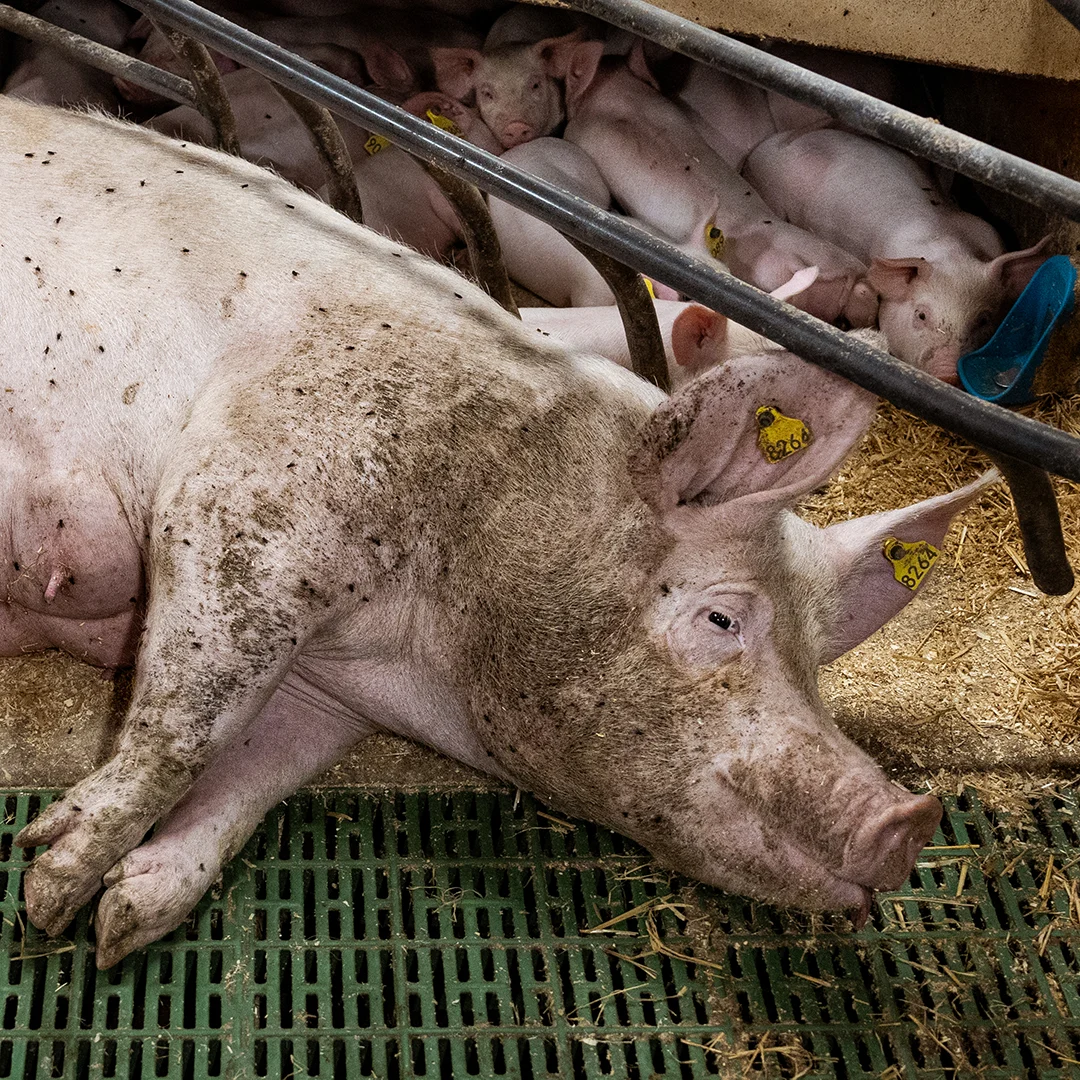
However, a new proposal for legislation prohibiting the use of cages for pigs was planned for 2027. Why is that missing, especially only four months after the Livestock Strategy that presented this timeline?
We know that EU citizens want more for animals. The ‘End the Cage Age’ European Citizens’ Initiative gathered 1.4 million verified signatures and was the only ECI that prompted the European Commission to commit to implementing all its requests – only to fail to propose a ban by the 2023 deadline.
And September’s Eurobarometer on agriculture and the CAP showed that 89% of respondents agree that agricultural imports of any origin should only enter the EU if their production has complied with the EU’s environmental, animal welfare, and labor standards; the same percentage say that higher environmental and animal welfare standards are important in their decision to buy food products. A quarter say ‘ensuring the welfare of farmed animals’ is one of the main responsibilities of farmers.
“Work Programmes tend to simply be an indication of the Commission’s priorities for the coming months, and the absence of even a mention of the animal welfare proposals does not mean they are certainly not going to be published – but we do question why the Commission decided to omit it, especially after everything that has been said, and with all the delays so far,” says Gabriela Kubíková, Legislative Advocacy Manager at The European Institute for Animal Law & Policy. “We’re still treading water, despite the clear scientific findings of EFSA and the Commission’s own fitness check in 2022 – which recognised that the current legislation is failing farmed animals and does not provide them with sufficient protection – and, of course, the wishes of the vast majority of Europe’s citizens.”