Today we’re releasing a joint letter signed by 133 organisations – including BEUC, EPHA, Birdlife, IFOAM and Freshfel – that calls on Commissioner Christophe Hansen to adopt an EU Action Plan for Plant-Based Food by 2026.
What action would help to deliver on EU climate and environmental targets while improving public health and reducing the number of animals kept in the EU? Does such a silver bullet exist?
It could indeed, in the form of an EU Action Plan for Plant-Based Food. Today, we are releasing a joint letter signed by 133 organisations – including BEUC, EPHA, Birdlife, IFOAM and Freshfel – that calls on Commissioner Christophe Hansen to make it happen by 2026.
The benefits of a holistic approach to address the entire agrifood value chain, as well as broadening the scope of proteins by including foods like fruits, vegetables, legumes and wholegrains, are seemingly endless:
- For animals,
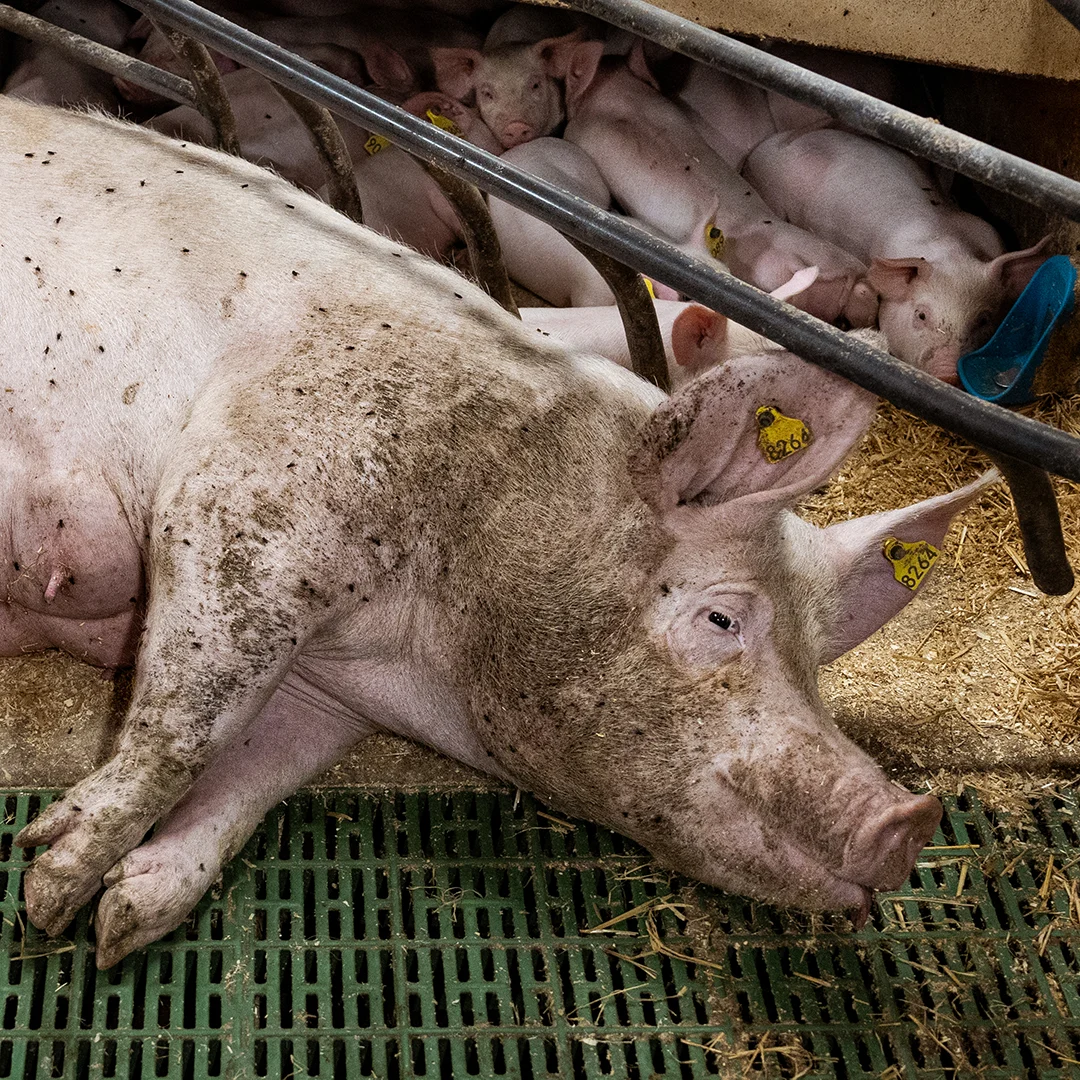
- a reduction in stocking densities on farms and the overall number of animals kept in the EU;
- a reduction in habitat destruction for livestock farming that affects wild animal populations; ecosystems and biodiversity are preserved.
- For people,
- a healthier lifestyle and a longer life. 80% of Europeans are currently not eating enough whole-grains, legumes, fruits and vegetables;
- new opportunities for small-scale and young farmers to introduce new crops and diversify production;
- protection for EU producers and consumers from the global food price fluctuations and supply chain vulnerabilities resulting from the current protein gap.
- For the planet,
- lower greenhouse gas emissions as a result of reduced livestock farming;
- conservation of resources such as water, as well as less waste runoff that can contaminate water sources;
- a reduction in the large-scale deforestation for grazing land or to grow feed crops for livestock;
- a more resilient agricultural system that is less vulnerable to climate-related disruptions.
And it doesn’t stop there. An EU Action Plan for Plant-Based Foods would help improve overall policy coherence while also saving costs and strengthening the EU’s strategic autonomy.
Dive into the details in the open letter here and join us in urging the Commission to seize this chance to make a real difference to animals, people and the planet.