La Commission européenne a dévoilé aujourd’hui sa stratégie en matière d’élevage, ajoutant ainsi un nouveau document à la série de réformes annoncées par la Commission concernant les animaux d’élevage. Mais les annonces seules ne suffiront pas à améliorer le sort des animaux. Nous poursuivrons notre combat, aux côtés d’autres défenseurs des animaux et de citoyens engagés, pour veiller à ce que la Commission mette effectivement en œuvre les réformes annoncées aujourd’hui.
La stratégie de la Commission en matière d'élevage n'est qu'une communication adressée aux autres institutions de l'UE, dans laquelle celle-ci expose ses intentions ; elle n'entraîne toutefois aucune obligation juridique et, en soi, ne modifie pas la législation relative aux animaux. Que contient donc cette stratégie présentée aujourd'hui, et y a-t-il des raisons d'être optimiste ?
Dans l’ensemble, la stratégie reconnaît la nécessité de “ pérenniser le secteur en renforçant les conditions de bien-être animal et en réduisant au minimum son empreinte climatique et environnementale ”. Elle reconnaît également que “ le bien-être animal est au cœur des préoccupations des citoyens en matière d’élevage ’. Plus précisément, la stratégie annonce qu’elle ” supprimera progressivement les cages “ pour les poules pondeuses et les poulets de chair, et réitère que la fin de l’année 2026 est la date à laquelle elle proposera la révision législative. Il convient de noter que la suppression progressive elle-même n’est pas datée. Comme cela s’est déjà produit à maintes reprises, la Commission a annoncé une ambition louable sans s’engager sur un calendrier pour sa réalisation. Elle insiste plutôt sur la nécessité de ” périodes de transition suffisantes “ et d’un ” soutien s’étendant sur la prochaine période de financement et au-delà “.”
La Commission reconnaît également la nécessité de “ redoubler d'efforts pour réduire les coûts et accélérer le déploiement ” des technologies de sexage in ovo, dans le but explicite de mettre fin à l'abattage des poussins mâles.
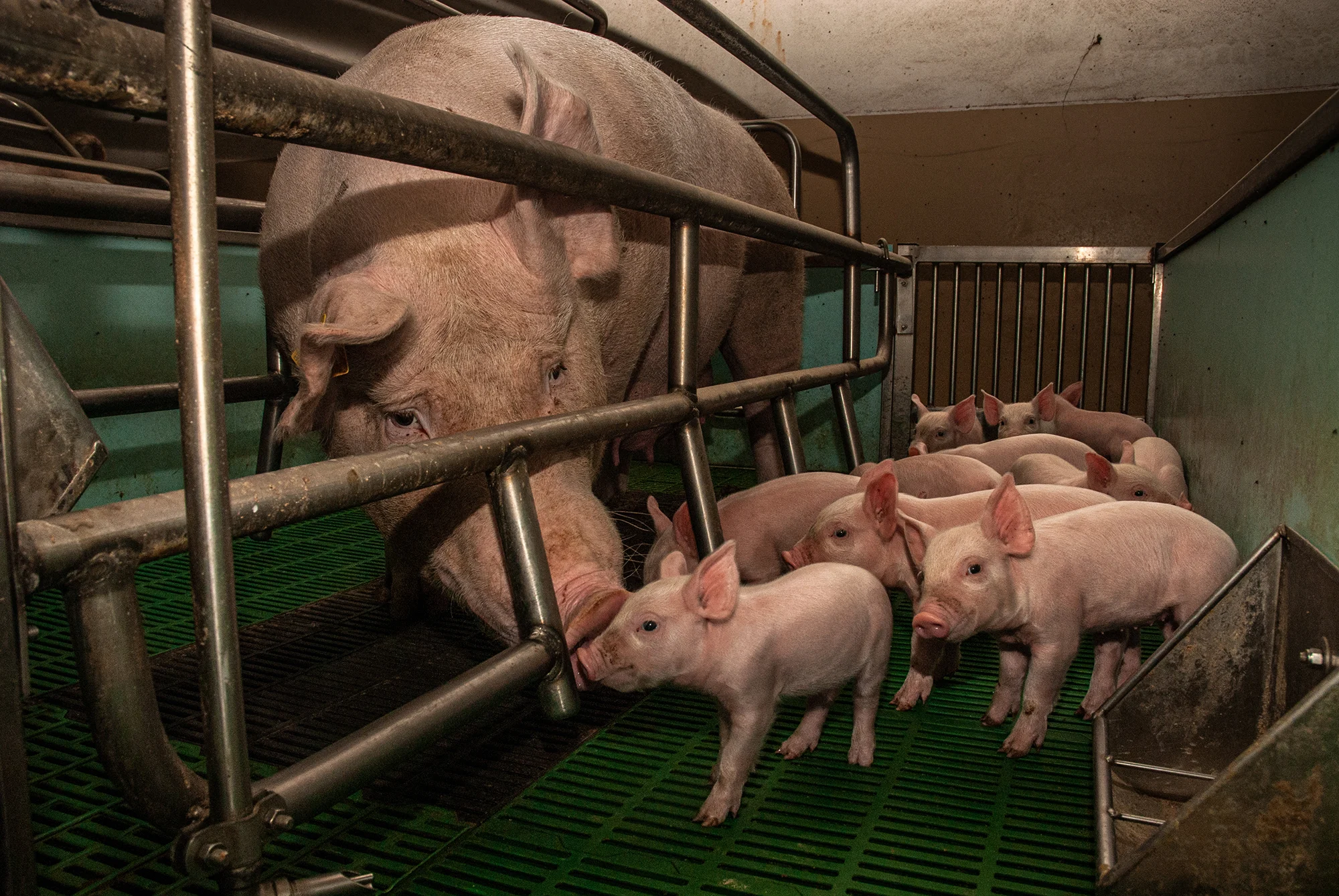
Pour la première fois, la Commission a annoncé une réforme visant à supprimer l’élevage en cage des porcs (“ passage des cages aux systèmes d’enclos ”) d’ici le deuxième trimestre 2027. Concernant le transport d’animaux vivants, qui divise le Parlement depuis plus de deux ans, la Commission promet “ d’envisager de nouvelles mesures, y compris d’éventuelles alternatives à l’exportation d’animaux destinés à l’abattage depuis l’UE vers des pays tiers ”. Enfin, la Commission envisage d’obliger les importateurs à se conformer à la législation européenne en matière de bien-être des poulets et des porcs par le biais d“” exigences d’importation équivalentes » – une mesure préconisée tant par les associations de défense des animaux que par les producteurs européens.
Toutefois, cette stratégie soulève également de nombreuses inquiétudes. Il n'est pas prévu de mettre fin à l'élevage en cage des veaux, des lapins, des oies, des canards et des cailles.
Il est également préoccupant d’entendre affirmer que “ les techniques de pointe en matière de génomique et de sélection animale constituent une solution gagnant-gagnant tant sur le plan économique qu’environnemental ”. Pourtant, les modifications génétiques et les pratiques d’élevage extrêmes se font toujours au détriment du bien-être des animaux et peuvent difficilement être qualifiées de “ gagnant-gagnant ”. L’expérience des vaches sans cornes créées par édition génétique, qui se sont ensuite révélées être résistant aux antimicrobiens, met en évidence les dangers des techniques génomiques dites “ de pointe ”.
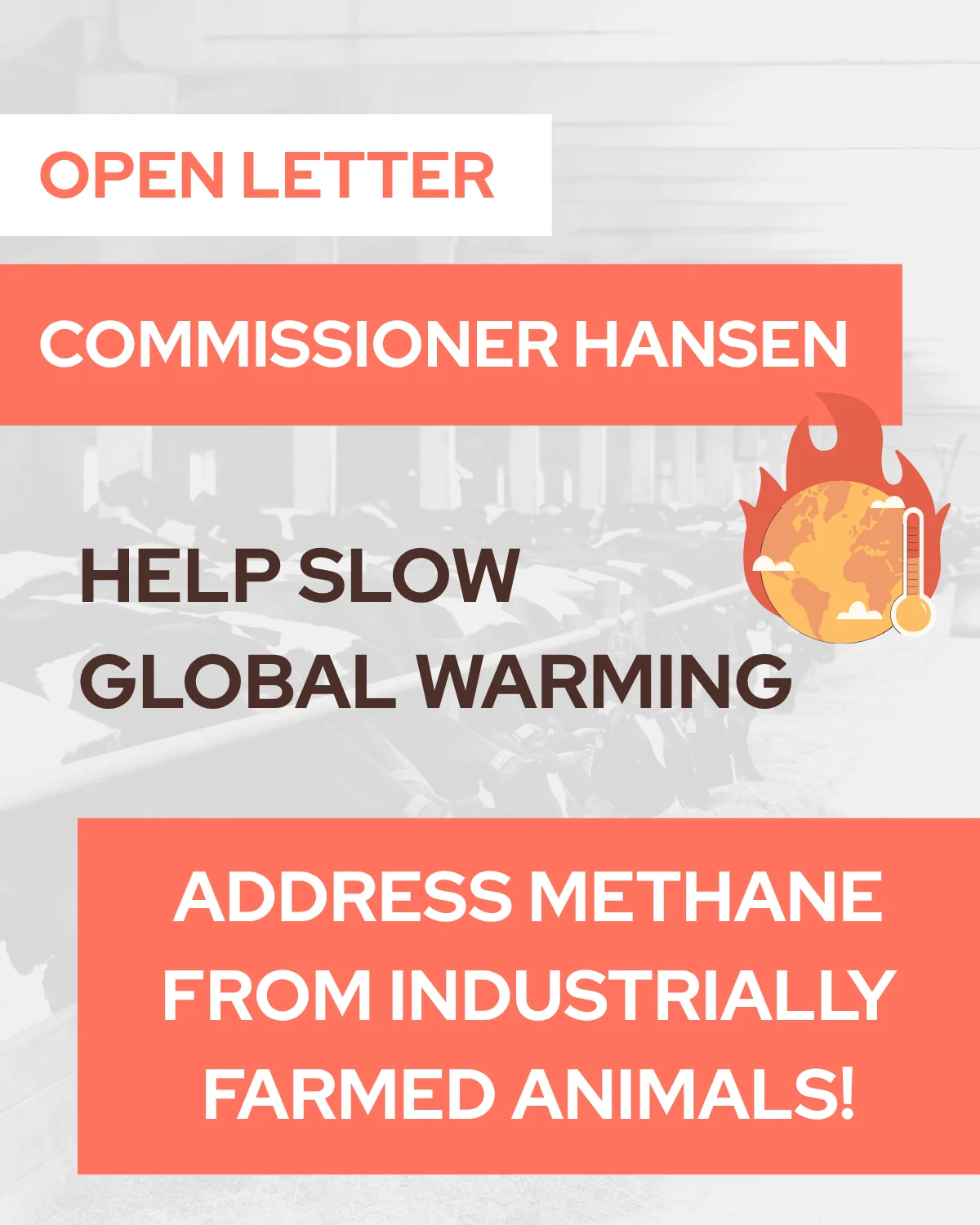
De plus, malgré la récente lettre commune adressée au commissaire Hansen, soulignant que le méthane issu de l'agriculture doit être traité de front en tant que facteur majeur du changement climatique, le document a modifié la méthodologie de calcul des émissions afin de favoriser les émissions de méthane d'origine biogénique.
“ Dans un monde idéal, toute stratégie relative à l‘’ élevage ” proposerait d’interdire l’élevage industriel »,” explique Gabriela Kubíková, responsable du plaidoyer législatif à l'Institut européen pour le droit et la politique des animaux. “ On ne peut que déplorer la lenteur du changement dans ce contexte politique, au détriment des animaux et au profit des intérêts économiques dominants. ”
“ Nous nous réjouissons toutefois de voir figurer des dates précises dans la stratégie présentée aujourd’hui, et nous veillerons à ce que la Commission s’y tienne – d’autant plus qu’elle n’a pas tenu ses promesses passées. En effet, cela fait désormais près de trois ans qu’elle a manqué la date butoir fixée pour la publication des propositions visant à réviser la législation sur le bien-être animal. Nous ne nous reposerons pas tant que nous n’aurons pas vu de propositions solides, assorties de mesures claires, qui répondent aux recommandations scientifiques et aux attentes de la société quant à l’amélioration du bien-être animal. ”